Chateau De Chenonceau: A Redwork Review for Designers
As an embroidery designer who spends more time staring at stitch maps than actual scenery, I am always on the lookout for designs that capture a specific mood without overwhelming the fabric. Recently, I came across the Chateau De Chenonceau machine embroidery design on Creative Fabrica, and it immediately caught my eye. The description promises a "spectacular redwork embroidery" that adds a "lovely vacation vibe," which is exactly the kind of aesthetic many of my clients are requesting for their summer collections. Before committing this digital embroidery file to a paid customer order, I wanted to break down its potential for real-world application, from custom apparel to boutique home decor.
The Visual Appeal of French Architecture in Thread
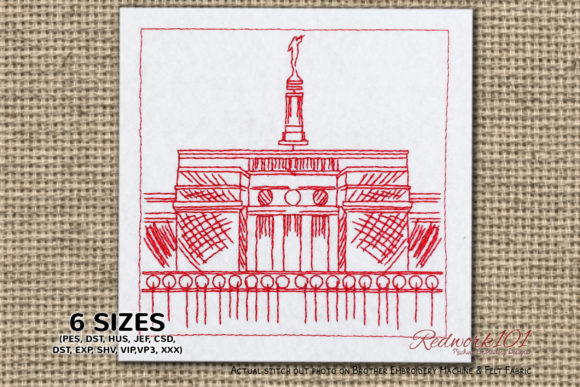
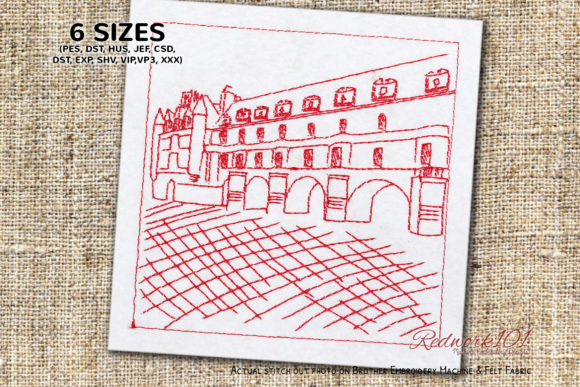
The first thing you notice about the Chateau De Chenonceau design is its reliance on the classic redwork style. For those unfamiliar, redwork traditionally uses a single color of thread—usually red or blue—to create outline-based imagery. This approach is timeless and incredibly versatile. The design depicts the famous chateau in Chenonceaux, France, a structure known for spanning the River Cher. Translating such intricate architecture into an embroidery file requires a delicate balance of running stitch and detail work.
In my initial assessment, the design feels less like a heavy, dense patch and more like a sketch brought to life. This "stitching personality" makes it ideal for projects where you want elegance without bulk. Unlike fill stitch designs that can feel stiff on lightweight fabrics, a redwork-style machine embroidery design allows the natural drape of the material to remain intact. This is crucial when working on items like linen kitchen towels or flowy cotton blouses where stiffness is undesirable.
Ideal Applications for Commercial Embroidery
When considering where to place this design in a product lineup, the "vacation" category mentioned in the product details offers a strong starting point. However, the applications go far beyond simple souvenirs. Here is how I envision using this embroidery file in a commercial setting:
- Tote Bag Design: A canvas tote is the perfect canvas for this architectural sketch. The open nature of the redwork prevents the bag from becoming too rigid, making it functional for grocery runs or beach days.
- Sweatshirt Embroidery: Placed on the chest or sleeve of a crewneck, this design adds a touch of sophistication to casual wear. It appeals to customers looking for "dark academia" or travel-inspired fashion.
- Kitchen Towels and Aprons: Because redwork is historically associated with kitchen linens, this design feels right at home on a flour sack towel or a bistro apron. It elevates a basic item into a giftable piece.
- Nursery Decor: While the theme is French architecture, the soft lines work beautifully in a nursery setting, perhaps as part of a "travel the world" theme for a baby blanket or pillow cover.
- Embroidered Patch: If stitched on twill with a cutaway stabilizer, this could be trimmed and sold as a standalone patch for travelers to iron onto jackets or backpacks.
For Etsy sellers and handmade shop owners, the key to selling this finished product lies in presentation. The design's clean lines photograph exceptionally well, especially against textured backgrounds like raw linen or denim. Creating a printable mockup that shows the design on a variety of fabrics can help buyers visualize the end result, increasing conversion rates.
Technical Considerations for Real-World Stitching
While the aesthetic is promising, every experienced embroiderer knows that the devil is in the details. Before stitching this on a final garment, there are several technical factors to consider regarding the Chateau De Chenonceau file.
First, we must address stitch density. Redwork designs generally have low density, which is great for breathability but can pose challenges on stretchy fabrics. If you plan to use this on a knit sweatshirt or a cap, using the correct stabilizer is non-negotiable. A tear-away might suffice for woven towels, but for knits, a high-quality cutaway stabilizer will prevent the design from distorting over time and after washing.
Secondly, consider the hoop size. Architectural designs often require a larger hoop to capture the full span of the building without losing scale. You will need to check the specific product details on the Creative Fabrica page to confirm the available sizes. If the design is only available in a large format, it may not fit on a standard baseball cap or a small pocket. Always measure your hoop capacity before purchasing.
Thread choice is another critical element. Since this is a redwork design, the thread colors you choose will define the entire look. While traditional red is charming, do not be afraid to experiment. A navy blue thread on white linen gives a crisp, nautical feel, while a sage green on cream cotton offers a softer, vintage look. However, ensure there is enough contrast between your thread and your fabric; light thread on dark fabric may get lost unless you use a underlay or adjust the stitch type, though pure redwork typically relies on the top thread alone.
Fabric and Surface Challenges
Not all surfaces are created equal. The Chateau De Chenonceau design features fine lines that represent the windows and rooflines of the chateau. On highly textured fabrics like terry cloth or thick wool, these tiny details might get swallowed up by the pile. In such cases, this design is better suited for smooth surfaces like poplin, broadcloth, or polished cotton.
Furthermore, if you are creating custom apparel that will undergo frequent washing, test the design on a scrap piece of the same fabric first. Check for pull-outs or puckering. Because redwork uses primarily running stitches, long spans of thread without anchoring points can sometimes snag. Inspect small details after stitching to ensure the structural integrity of the outline.
Enhancing Brand Value and Customer Trust
Using high-quality design assets like this one directly impacts your brand consistency. When customers receive a handmade product with clean, well-digitized stitching, it builds trust. The Chateau De Chenonceau design offers a level of sophistication that suggests the maker cares about artistry, not just output. It transforms a generic item into a personalized gift with a story.
For creative entrepreneurs, this design can be part of a larger collection. Imagine a series of European landmarks, all executed in the same redwork style. This creates a cohesive brand identity that customers can recognize. Whether you are selling at a craft fair or through an online boutique, the visual appeal of this French chateau can drive engagement and encourage repeat purchases.
Final Verdict for the Professional Maker
The Chateau De Chenonceau embroidery design is a strong contender for designers looking to add a touch of European charm to their portfolio. Its redwork style ensures versatility across various fabrics, from sturdy totes to delicate linens. However, success depends on proper preparation. Always review the file details and licensing terms on the Creative Fabrica product page before selling finished items to ensure compliance with commercial use policies.
Remember to test on scrap fabric, confirm your hoop size limitations, and choose your thread colors wisely to maximize contrast. With the right stabilizer and fabric pairing, this design can become a staple in your commercial embroidery offerings, delighting customers who appreciate the beauty of travel and the art of handcrafted goods.