Chopper Motorcycle: A Bold Stitch for Craft Fair Success
As an experienced embroidery designer preparing for a busy weekend at the local artisan market, I am constantly evaluating which machine embroidery design files will stop customers in their tracks. Today, I am reviewing the Chopper Motorcycle design to see if it has what it takes to transform simple blanks into high-value handmade product inventory. In the world of Transportation themed Embroidery, there is a fine line between looking like generic clipart and creating a piece of art that resonates with a specific lifestyle. This review breaks down exactly how this design performs on the table, in the hoop, and in the hands of a buyer.
First Impressions and Visual Appeal
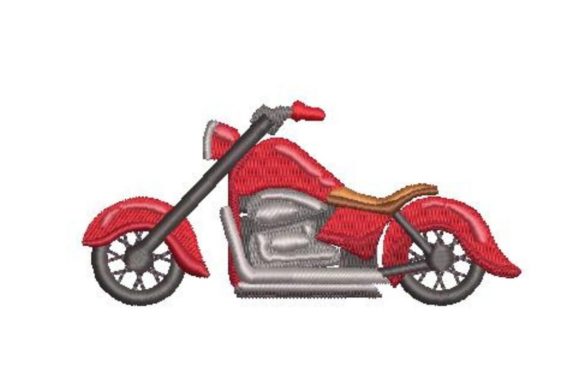
The moment I pulled up the digital embroidery file for the Chopper Motorcycle, the vibe was immediately clear. Despite the rugged subject matter often associated with motorcycle gangs, the description highlights a "cute" aesthetic. This is a crucial distinction for craft fair sellers. A design that is too aggressive might limit your audience, but a stylized, slightly softened chopper appeals to a much broader demographic, including partners of riders, vintage enthusiasts, and anyone who loves Americana style. It feels bold yet approachable, striking a balance between rustic cool and decorative charm.
When visualizing this on a booth display, the Chopper Motorcycle offers strong silhouette recognition. At a glance, customers walking past a table filled with goods need to identify the subject within seconds. The elongated forks and classic body shape of a chopper are iconic. If the thread colors are chosen wisely—perhaps using high-contrast metallics against dark denim or warm earth tones on canvas—this design becomes a focal point that draws the eye from across the aisle.
Product Versatility for the Market Booth
The true test of any embroidery file is its adaptability across different substrates. For a craft fair setup, you need items that cover various price points. Here is how the Chopper Motorcycle stacks up on potential products:
- Tote Bags and Market Bags: This is likely the strongest contender for this design. A heavy canvas tote bag design featuring a chopper speaks directly to the freedom and road-trip lifestyle. The flat surface allows for maximum detail retention, making it an ideal craft fair product for impulse buys.
- Aprons and Tea Towels: While apron embroidery and tea towel embroidery are popular, one must consider the context. A chopper on a kitchen towel might seem unusual unless marketed as a humorous gift for a specific person. However, a blacksmith-style or garage-themed apron with this motif could sell well to men who enjoy grilling or working in the shop.
- Caps and Hats: The description mentions hats, and this is a viable option. However, the curved surface of a cap requires careful attention to stitch density. If the design has too many small details, they may get lost on the front panel of a structured cap.
- Patches and Pouches: Creating an embroidered patch is a fantastic way to utilize this design. Patches are low-cost to produce and have a high perceived value. They can be ironed onto jackets or jeans, fulfilling the product description's promise of catching the eye on denim.
- Pillow Covers: For home decor buyers, a pillow cover with this motif adds a touch of masculine flair to a living room or man cave, expanding your reach beyond just wearable items.
Production Realities and Technical Considerations
Before committing to batch production for your Etsy seller shop or physical booth, practical testing is non-negotiable. The description claims it will "stitch out wonderful on any kind of" fabric, but as a professional, I know that "any kind" is rarely accurate without adjustments.
Fabric Texture and Density: Thick fabrics like denim jackets or textured towels can cause sinking stitches if the stitch density isn't optimized. If the chopper design features fine lines for the engine or spokes, these areas might disappear into a fluffy towel. I recommend running a test on scrap fabric that matches your intended product material. If the design looks muddy on a textured loop towel, switch to a smoother waffle weave or stick to flat canvas bags.
Curved Surfaces: When embroidering on caps, the curvature can distort the image. Ensure you check the spacing of the design elements. Long horizontal lines, common in chopper frames, can look warped if not digitized specifically for caps. Always use the appropriate stabilizer; a cut-away stabilizer is usually best for stretchy cap materials to prevent puckering over time.
Size and Clarity: Does this work as a small accent? If you plan to put a tiny version on a coin purse, verify that the small details do not merge together. Designs often lose clarity when scaled down below a certain inch threshold. Conversely, as a large focal design on a back jacket panel, ensure the run length isn't so long that it causes thread breaks or excessive production time.
Maximizing Sales and Brand Consistency
For small shop product lines, consistency is key. The Chopper Motorcycle can help build a cohesive brand identity if you stick to a specific color palette across all items. Imagine a display where every item uses the same shade of navy, cream, and rust thread. This creates a professional look that elevates the perceived value of your finished product.
Photography is another critical factor. This design photographs well because of its distinct shapes. When creating printable mockup images for online listings or social media teasers, ensure the lighting highlights the texture of the stitches. Close-up shots showing the sheen of the thread against the fabric grain can convince an online buyer of the handmade quality.
Furthermore, consider the licensing. Before selling hundreds of units, confirm the commercial embroidery license terms included with your purchase. Some designers allow unlimited physical sales but restrict digital redistribution. Knowing these boundaries protects your business from legal issues down the road.
Final Designer Notes for Success
To ensure the Chopper Motorcycle becomes a bestseller rather than a shelf-warmer, follow this checklist before your next market:
- Test First: Never skip the stitch-out on actual product material. Check for registration errors or color blending issues.
- Check Contrast: Ensure your thread choices pop against the fabric color. Dark thread on dark fabric rarely sells unless it is intentional tonal work.
- Verify Hoop Size: Confirm the design fits your available hoops without needing expensive re-digitizing.
- Create Mockups: Have at least one pristine sample of each product type (bag, patch, hat) to show customers tactile quality.
- Review Details: Inspect small lettering or tiny mechanical parts; if they look messy, simplify the thread count or increase the size.
In conclusion, the Chopper Motorcycle holds significant potential for craft fair success if treated with technical care. It bridges the gap between niche interest and broad aesthetic appeal. By selecting the right products—particularly tote bags and patches—and paying attention to fabric texture and stabilization, you can turn this design asset into a profitable pillar of your handmade inventory. It is a design that, when executed well, doesn't just decorate a product; it tells a story of the open road that customers want to take home with them.