Fish Aquatic: A Designer's Review for Branded Merch
As an embroidery designer who has spent years digitizing and testing files for small business clients, I approach every new machine embroidery design with a critical eye. It is not just about whether a file looks cute on a screen; it is about how that digital embroidery file translates into a tangible asset that builds brand equity. Today, I am reviewing Fish Aquatic, a vibrant design positioned for sealife-related creative projects. My goal is to determine if this piece of art can serve as a functional component of small business merch, from boutique patches to staff uniforms.
First Impressions: Visual Personality and Brand Fit
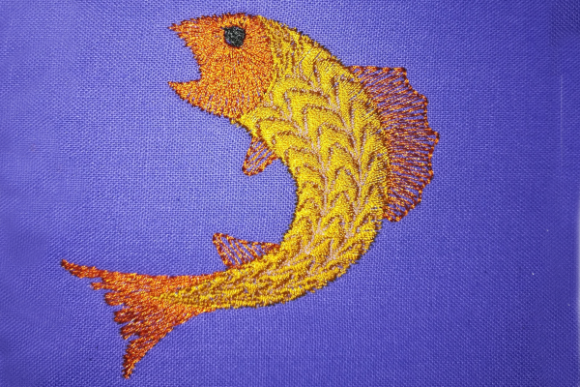
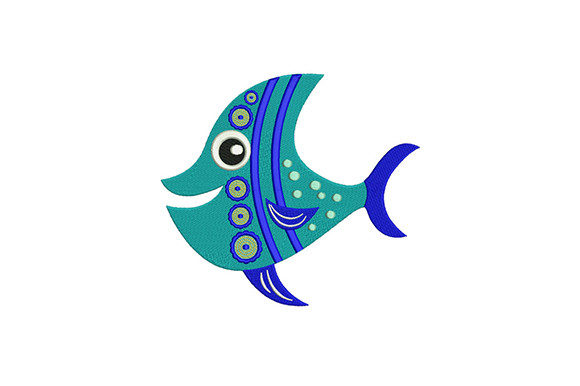
Upon loading the preview of Fish Aquatic, the immediate impression is one of playfulness and energy. The description highlights a "lively pop of color," which suggests a palette designed to catch the eye. For businesses in the creative sector—such as coastal cafes, pet brands, florists with aquatic themes, or handmade toy shops—this vibrancy is a significant asset. The design feels friendly and approachable rather than overly corporate or rigid. This makes it an excellent candidate for brands that want to project warmth and personality.
However, for a professional embroidery review, we must look beyond the aesthetics. Does the style hold up under the needle? Designs that rely heavily on gradient fills or extremely fine details can sometimes lose their charm when stitched out on textured fabrics. Fish Aquatic appears to strike a balance between character and clarity, making it suitable for applications where brand recognition is key without sacrificing the handmade feel that customers love.
Real-World Applications for Small Business Owners
The true test of any embroidery file is its versatility in commercial settings. Here is how Fish Aquatic performs across various product categories:
- Embroidered Patches: This is perhaps the strongest use case. A well-digitized fish design makes for a fantastic collectible patch. Boutique owners can sell these as add-ons, while service businesses can use them as loyalty rewards. The vibrant colors mentioned in the description suggest it would stand out beautifully on a twill or felt backing.
- Staff Uniforms and Aprons: For a seafood restaurant, a beachside rental shop, or a creative studio, adding Fish Aquatic to an apron embroidery lineup adds instant thematic consistency. It transforms a standard uniform into a branded experience. Placed on the chest or sleeve, it acts as a subtle yet effective logo accent.
- Cap Embroidery: Headwear is a staple of custom apparel. Applying this design to the front or side of a cap requires careful consideration of curvature, but if the stitch count allows, it creates a high-value promotional item for events or employee gifts.
- Tote Bag Design: Canvas totes are ubiquitous in the handmade market. A large-scale version of Fish Aquatic centered on a tote bag creates a statement piece that serves as walking advertising for the brand.
- Product Packaging Accents: Beyond apparel, this design can be stitched onto fabric tags attached to product packaging, elevating the unboxing experience for customers purchasing handmade goods.
Technical Considerations and Production Challenges
While the visual appeal is evident, a professional designer must address the technical realities of production. Not every surface is ideal for every design. When planning to use Fish Aquatic for commercial embroidery projects, keep the following constraints in mind:
- Stitch Density and Texture: Vibrant designs often utilize satin stitches or dense fill patterns to achieve color saturation. On thick fabrics like hoodies or textured canvas, high stitch density can cause puckering. It is crucial to test the design on the specific fabric weight intended for the finished product.
- Small Scale Legibility: If you intend to use this as a tiny chest logo or on a small patch, verify that the details do not merge together. Fine outlines and small internal elements can disappear if the design is scaled down too aggressively.
- Curved Surfaces: For cap embroidery, the curvature of the front panel can distort wide designs. Ensure the hoop size accommodates the frame properly and that the digitizing accounts for the push-and-pull of the fabric on a curved surface.
- Thread Color Contrast: The "lively pop of color" relies on specific thread colors. When stitching on dark uniforms, you may need to adjust the underlay or add a border to ensure the fish does not get lost against the background fabric.
- Durability: Items like aprons and work shirts undergo frequent washing. Verify that the stitch types used in Fish Aquatic are durable enough to withstand industrial laundering without fraying or losing shape.
Impact on Brand Identity and Customer Trust
In the world of small business, consistency is currency. Using a cohesive set of design assets like Fish Aquatic helps solidify brand identity. When a customer sees the same vibrant fish on your website, your packaging tag, and your staff's apron, it creates a sense of professionalism and reliability. It signals that attention to detail matters to your business.
Furthermore, embroidered elements inherently increase the perceived value of a product. A t-shirt with a printed ink design is common; a t-shirt featuring a textured, stitched Fish Aquatic motif feels premium. This tactile quality fosters a deeper emotional connection with the buyer, encouraging engagement and repeat purchases. For Etsy sellers and crafters, this distinction can be the difference between a commodity item and a branded keepsake.
Practical Designer Notes for Implementation
Before committing to a full production run of Fish Aquatic for your business, I recommend the following workflow to ensure quality control:
- Test in Monochrome: Stitch the design using only black thread first. This reveals the structural integrity of the digitizing without the distraction of color. If it looks good in black and white, it will likely excel in color.
- Verify Hoop and Stabilizer: Confirm the required hoop size fits your machine's capabilities. Always use the appropriate stabilizer for your fabric type to prevent distortion, especially with vibrant, dense designs.
- Create a Printable Mockup: Before stitching, generate a printable mockup to show clients or stakeholders. This helps visualize the scale and placement on the intended garment.
- Check Commercial Licensing: Since this is for business use, strictly confirm the license terms included with the digital embroidery file. Ensure you have the rights to sell items featuring this design.
- Fabric Testing: Never skip the test stitch-out. Run the design on a scrap piece of the actual material you plan to use to check for tension issues or fabric bunching.
In conclusion, Fish Aquatic offers a compelling blend of charm and utility for the right niche. While the exact stitch count and specific file formats were not detailed in the initial description, the emphasis on vibrancy and character suggests strong potential for handmade product lines and branded merchandise. By approaching its application with technical diligence and strategic placement, small business owners can leverage this design to create memorable, high-quality items that resonate with their audience.