Floral Legs: A Designer's Take on Feminine Outline Embroidery
When I first pulled up the preview for Floral Legs, my immediate reaction was one of quiet appreciation. In a market saturated with overly dense, thread-heavy floral motifs that often look like solid blobs of color once stitched out, this design offers a refreshing change of pace. As an experienced designer who spends more time at the hoop than away from it, I am always looking for Outline Flowers that maintain their integrity without demanding excessive thread consumption or complex underlay strategies. This particular machine embroidery design strikes a balance between delicate artistry and practical durability, making it a strong contender for both personal projects and commercial craft business applications.
The Visual Personality and First Impressions
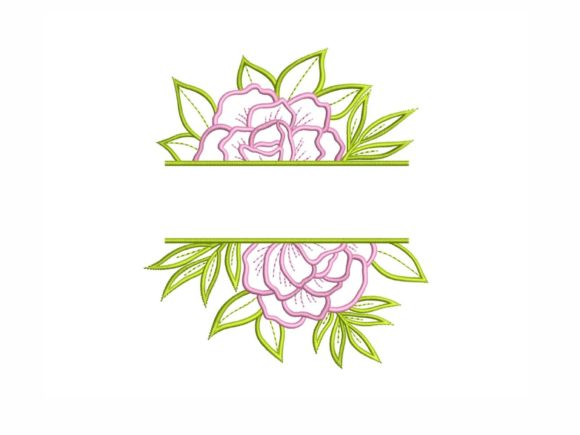
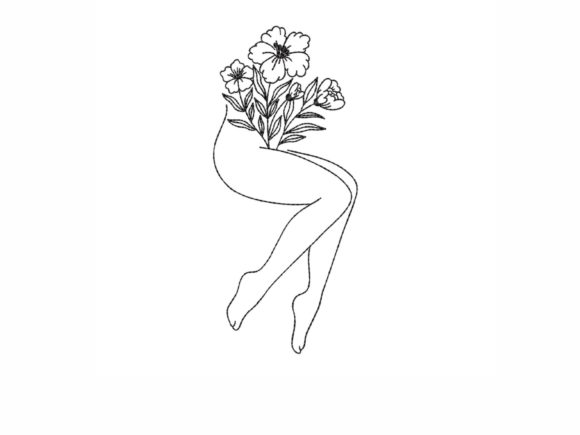
The mood created by Floral Legs is undeniably feminine and airy. The layout suggests a design that relies heavily on clean lines rather than heavy saturation. From a visual standpoint, this is crucial for modern aesthetics where "less is more" often translates to higher perceived value. The shape and theme feel organic, avoiding the rigid, clip-art symmetry that can sometimes plague digital embroidery files.
What stands out most is the potential versatility of the line work. Whether executed as a crisp running stitch or a narrow satin stitch, the design promises to let the fabric texture show through. This transparency is vital when working with textured materials like linen or heavy cotton blends, where a solid fill stitch might obscure the natural beauty of the substrate. For designers creating printable mockups or design assets for clients, this openness allows for greater creative freedom in pairing the embroidery with various background colors and patterns.
Real-World Application: The Boutique Tote Scenario
To truly evaluate Floral Legs, I imagined a specific real-life scenario: preparing a custom order for a local boutique needing a run of branded canvas tote bags. The client wanted something elegant but not overpowering—a subtle nod to nature that would appeal to their eco-conscious demographic.
In this context, Floral Legs shines. Unlike heavier designs that might cause a canvas bag to pucker or become stiff, this lighter outline approach adds decoration without compromising the drape or utility of the finished product. If I were stitching this onto a natural-colored tote, I would likely choose a monochromatic thread scheme—perhaps a soft sage green or a muted terracotta—to enhance the organic feel. The result would be a handmade product that feels curated and high-end, rather than mass-produced. Customers are increasingly drawn to items that look hand-crafted, and the slight variations inherent in outline stitching can actually enhance that artisanal appeal.
Beyond tote bags, this design is equally suited for sweatshirt embroidery on lightweight fleece or French terry. The lack of dense stitching means the garment remains soft against the skin, a critical factor for custom apparel intended for daily wear. It would also serve beautifully as a tote bag design accent on the pocket of a denim jacket or as a subtle detail on a personalized gift like a kitchen towel.
Navigating Fabric Challenges and Technical Considerations
While Floral Legs is attractive, a professional reviewer must also address where caution is needed. Outline designs can be deceptively tricky on certain surfaces. On stretchy fabrics, such as jersey knits used for baby embroidery projects, the lack of extensive underlay in an outline design means the fabric's movement could distort the lines over time. Here, the choice of stabilizer becomes paramount. I would strongly advise using a cut-away stabilizer rather than tear-away to ensure the design retains its shape after multiple washes.
Similarly, when working on dark fabrics, the contrast of the thread colors becomes the defining feature. Since there is no large fill area to create a block of color, the thread must be high-quality and vibrant to pop against the background. If the thread quality is poor, the design may look washed out or indistinct from a distance. Furthermore, on curved surfaces like caps, the linear nature of the flowers needs to be positioned carefully to avoid following the curve of the brim in an unflattering way. Centering the design on the front panel is usually the safest bet for maintaining visual clarity.
For those considering this for an embroidered patch, the open spaces in the design mean the backing material will be visible. This requires a thoughtful choice of twill or felt backing that complements the thread colors, turning the negative space into a deliberate design element rather than an oversight.
Commercial Viability and Brand Consistency
For Etsy sellers and small shop owners, consistency is key to building brand trust. Floral Legs offers a level of sophistication that elevates a small shop product above generic offerings. Because it is an Outline Flowers category item, it stitches out relatively quickly compared to dense fills, allowing for better production efficiency without sacrificing aesthetic appeal. This efficiency can directly impact profit margins for commercial embroidery projects.
However, before listing finished items or selling the digital embroidery file itself, it is essential to verify the licensing terms provided by the creator. Not all designs allow for unlimited commercial use, and protecting your craft business means respecting intellectual property rights. Additionally, always test the design on scrap fabric identical to your final product. Check the stitch density settings in your software; sometimes, resizing an outline design too small can cause gaps in the stitching, while enlarging it too much might make the lines appear too thin and fragile.
Final Thoughts on Project Selection
Ultimately, Floral Legs is a versatile asset for any designer's library. It excels in scenarios requiring a light touch, such as holiday embroidery on linens, wedding gifts like handkerchiefs, or branding for boutique apparel. Its strength lies in its ability to adapt to the fabric rather than dominating it. By paying attention to stabilizer choices, thread contrast, and appropriate sizing, you can ensure that this design delivers a professional, polished look that resonates with buyers and enhances the value of your embroidery project. Whether you are a hobbyist making a personalized gift or an entrepreneur scaling a product line, this design offers the elegance and reliability needed for successful execution.