Gorgeous Green Leaves: A Designer's Real-World Review
As a designer who spends more time staring at stitch maps than most people care to admit, I approach every new machine embroidery design with a mix of excitement and skepticism. We have all downloaded files that look stunning on a screen but turn into a puckered mess on fabric. That is why I took a close look at Gorgeous Green Leaves before committing it to any client work. This isn't just about whether it looks pretty; it is about whether it holds up under the needle and delivers value to the end user.
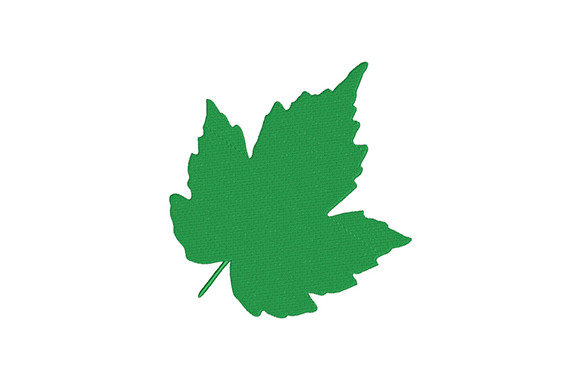
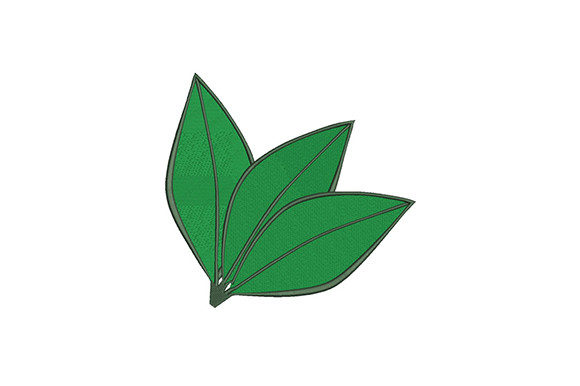
The first impression of this design is undeniably fresh. The layout captures that organic, slightly wild feel of nature without looking messy. It fits perfectly within the Single Flowers category, yet it stands strong as a standalone botanical element. The visual personality here is vibrant and lively, suggesting growth and renewal. For a project requiring a touch of natural elegance, this design feels like an immediate win. However, a pretty preview image is only half the battle. The real test is how those bright greens translate into thread and how the stitch structure behaves on actual textiles.
Putting the Design to the Test: A Tote Bag Scenario
To evaluate Gorgeous Green Leaves realistically, I imagined a specific use case: a custom order for a local farmer's market vendor who needed branded tote bag design elements. She wanted something that screamed "organic" and "fresh" to match her produce boxes. This scenario is perfect because tote bags often use canvas or heavy cotton, which can be tricky for detailed embroidery.
When loading the embroidery file, the color separation looked logical. The design relies heavily on varying shades of green to create depth, which is crucial for avoiding a flat, cartoonish look. In a real-world stitching situation, this means you need to pay attention to your thread colors. If you swap the suggested threads for cheaper alternatives with poor sheen, you lose the dimensionality that makes this design work. On the canvas tote, the design sat well. The density seemed balanced enough to cover the weave of the fabric without causing excessive pull or distortion.
For an Etsy seller or small shop owner, this kind of reliability is gold. Customers judge the quality of a handmade product by its finish. If the leaves look crisp and the edges are clean, it elevates the perceived value of the entire bag. It transforms a simple utility item into a boutique piece. This design has that potential to boost customer trust and encourage repeat business because it looks professional rather than homemade in the negative sense.
Versatility Across Custom Apparel and Home Goods
Beyond tote bags, I considered where else Gorgeous Green Leaves could shine. It is an excellent candidate for sweatshirt embroidery. The soft, natural vibe complements the cozy texture of fleece or French terry. Imagine this stitched on the chest pocket of a sage green hoodie; it would be subtle yet striking. It also works beautifully for baby embroidery. Parents are always looking for gender-neutral, nature-inspired motifs for nursery decor or onesies. The gentle curves of the leaves feel safe and soothing, making it a top choice for personalized gift items.
However, versatility does not mean it works everywhere without adjustment. If you are planning to use this on a cap, you need to be cautious. Curved surfaces change how the fabric feeds under the needle. While the design is not overly complex, the tips of the leaves might require careful hooping and perhaps a different type of stabilizer to prevent shifting. Similarly, for holiday embroidery projects like table runners or pillow covers, the bright green offers a great contrast against reds or neutrals, but you must ensure the scale fits the item. A design that looks great on a jacket sleeve might get lost on a large blanket.
Critical Considerations for Fabric and Stitching
Let's talk about the technical side, because this is where many designers stumble. The description mentions the design comes with multiple embroidery files, which is standard, but it does not specify exact stitch counts or hoop requirements. This is a critical gap you must fill before starting. Always check the specific hoop size needed for the version you download. Trying to force a large design into a small hoop is a recipe for disaster.
Fabric texture plays a massive role here. On smooth, tightly woven fabrics like broadcloth or high-quality twill, the satin stitch and fill stitch details will pop with clarity. However, if you attempt this on a highly textured linen or a loose-knit sweater, the fine details of the leaf veins might get swallowed by the fabric's grain. In those cases, you might need to adjust the stitch density or add a topping stabilizer to keep the stitches floating above the texture.
Dark fabrics present another challenge. The "bright green" description suggests high vibrancy, which is good, but ensure your thread chart includes a dark underlay or that your chosen green thread has enough opacity to cover a black or navy background. Without proper coverage, the design can look washed out. Also, be mindful of stretchy fabric. If you are embroidering on a jersey t-shirt, the pull of the stitches can distort the leaf shape over time, especially after washing. Always test on a scrap piece of the exact fabric you intend to use.
Enhancing Brand Value and Commercial Viability
For those running a craft business, the aesthetic consistency of your design assets matters. Gorgeous Green Leaves offers a level of professionalism that can help define a brand identity. Whether you are selling custom apparel, creating an embroidered patch line, or offering digital previews, the visual appeal of this design signals quality. It tells the buyer that thought went into the creation.
From a commercial standpoint, this design is versatile enough for various commercial embroidery projects. It could be part of a larger floral collection or used as a singular accent on corporate eco-friendly merchandise. The key to maximizing its value lies in presentation. When creating printable mockup images for your online store, show the design on different backgrounds. Demonstrate how it looks on a white apron versus a denim jacket. This helps buyers visualize the finished product and increases engagement.
One final, crucial note on licensing: The product description hints at multiple files but does not explicitly state the license terms regarding resale. Before you list this as part of a small shop product lineup or sell it as a digital embroidery file, you must confirm the license. Some designers allow unlimited sales of finished physical goods but restrict the resale of the digitized file itself. Ignoring this can lead to serious legal issues for your business.
Final Verdict and Practical Tips
In conclusion, Gorgeous Green Leaves is a solid addition to any designer's library, particularly for those focusing on nature-themed or spring-inspired collections. Its strength lies in its fresh aesthetic and adaptable layout. However, like any tool, its effectiveness depends on how you wield it.
Here are my top recommendations for using this design successfully:
- Test first: Never run a production batch without stitching a sample on scrap fabric identical to your final material.
- Check contrast: Ensure your thread colors provide enough contrast against your chosen fabric, especially for dark backgrounds.
- Review density: If stitching on delicate fabrics, consider reducing the fill density slightly to prevent stiffness.
- Verify specs: Since exact stitch counts and hoop sizes weren't provided in the brief description, download the info sheet or inspect the file properties before hooping.
- Mockup variety: Create black and white mockups to check the silhouette and detail clarity without the distraction of color.
- Stabilize correctly: Match your stabilizer to the fabric weight; cut-away is usually safer for garments that will be washed frequently.
Ultimately, Gorgeous Green Leaves has the potential to be a star performer in your embroidery project lineup. With careful preparation and an eye for detail, it can help you create stunning, high-value items that resonate with customers and stand the test of time.