Wax Melts Embroidery Review: Fresh Details for Handmade Goods
As an embroidery designer who spends countless hours digitizing and stitching for both personal projects and commercial clients, I am always on the lookout for machine embroidery design assets that offer versatility without sacrificing quality. Recently, I explored the Wax Melts listing on Creative Fabrica to determine if it would be a viable addition to my library for upcoming seasonal orders. The product description promises a "delicate, fresh look," which immediately caught my attention for spring and summer collections. In this review, I will break down how this embroidery file performs in real-world scenarios, from custom apparel to home decor, and what you need to consider before downloading it for your own handmade product lines.
First Impressions and Visual Mood
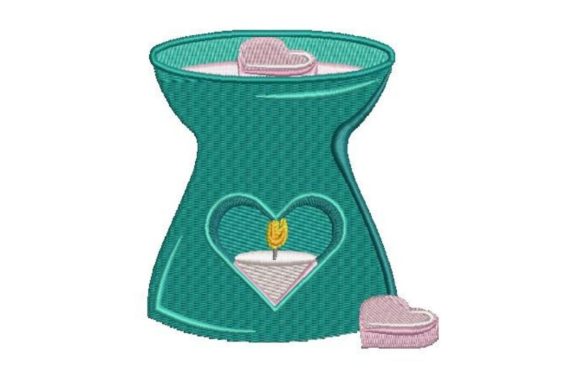
When evaluating a new Creative Fabrica embroidery asset, the first thing I look for is the visual personality of the design. Wax Melts exudes a cozy yet vibrant aesthetic that fits perfectly within the House category while remaining adaptable for fashion items. The design appears to capture the essence of warmth and fragrance through its visual composition, making it an excellent candidate for products that aim to evoke comfort. For designers looking to expand their catalog beyond standard florals or monograms, this motif offers a unique narrative element. It suggests a lifestyle of relaxation and self-care, which is a powerful selling point for Etsy sellers and boutique owners targeting customers who value artisanal, homey vibes.
The level of detail in the preview images suggests a balanced approach to stitching. It does not appear overly dense, which is crucial for maintaining the "delicate" promise mentioned in the description. A design that is too heavy can ruin the drape of a lightweight fabric, while one that is too sparse may look unfinished. Wax Melts seems to strike a middle ground, likely utilizing a mix of satin stitch for definition and fill stitch areas to create body without adding excessive bulk. This makes it a strong contender for items where texture plays a key role in the final presentation.
Real-World Application Scenarios
To truly test the value of a digital embroidery file, I imagine applying it to various substrates that my clients frequently request. Here is how Wax Melts could translate into tangible products:
- Kitchen Linens and Aprons: Given the theme, this design is a natural fit for kitchen towels and aprons. The fresh look complements cotton and linen blends beautifully. When stitched onto a waffle-weave towel, the design adds a touch of sophistication that elevates a basic household item into a giftable piece.
- Tote Bags and Market Bags: For tote bag design, this motif works well as a central focal point. The subject matter appeals to shoppers at farmers' markets or craft fairs, aligning with the eco-friendly and handmade ethos of those venues.
- Sweatshirts and Custom Apparel: Applying this to a crewneck sweatshirt requires careful consideration of fabric stretch. However, if the stitch density is manageable, it could create a charming, casual look for loungewear collections. It serves as a great alternative to large graphic prints, offering a textured, premium feel.
- Nursery Decor and Baby Items: The gentle nature of the design makes it suitable for baby blankets or nursery wall hangings. It avoids harsh lines, fitting seamlessly into soft, pastel color palettes often used in personalized gift items for newborns.
- Embroidered Patches: Creating a standalone patch is another viable option. By using a merrow edge or a tight satin border, Wax Melts can become a detachable accessory for jackets or hats, increasing the versatility of the finished product.
Technical Considerations for Production
While the aesthetic appeal is high, practical execution is where many designs fail. Before committing to a large run of commercial embroidery products, there are several technical factors to verify with the Wax Melts file.
Hoop Size and Placement: One of the most critical checks is the required hoop size. Since the product details mention compatibility with multiple machines but do not specify exact dimensions, you must check the product page to ensure it fits your available hoops, especially if you are working with smaller items like caps or pocket placements on shirts. If the design is too large for a standard 4x4 hoop, it may limit your ability to use it on curved surfaces like baseball caps without specialized framing.
Fabric Compatibility: The performance of this design will vary significantly based on the material. On stable fabrics like canvas or denim, the stitches should lay flat and crisp. However, on stretchy fabrics like jersey knits or fleece, you must use the appropriate stabilizer. A cut-away stabilizer is often recommended for garments that will undergo frequent washing to prevent puckering. Additionally, when working on dark fabrics, you need to verify if the design includes underlay stitches sufficient to prevent the background color from showing through the lighter thread colors.
Stitch Density and Texture: Dense areas can sometimes cause needle heat or thread breakage, particularly with synthetic threads. It is advisable to run a test stitch-out on scrap fabric similar to your final material. Pay close attention to small details and layered elements. If the design features tiny lettering or intricate overlapping sections, ensure your machine tension is dialed in correctly to maintain clarity. Inspect the sample closely after stitching to see if any pull-compensation issues arise, which can distort the shape of the wax melt motifs.
Enhancing Brand Value and Customer Engagement
Incorporating unique designs like Wax Melts into your inventory can significantly impact your brand perception. High-quality embroidery signals craftsmanship, which builds buyer trust. When customers see a well-executed, thematic design on a pillow cover or a tote bag, they perceive higher value, allowing you to justify a premium price point. Furthermore, distinct designs improve your product photography. The texture and dimension of embroidery catch light differently than printed ink, creating more engaging images for social media and online listings.
Consistency is key for creative entrepreneurs. If your brand focuses on home goods or cozy lifestyle products, using a cohesive set of design assets helps establish a recognizable visual identity. Wax Melts fits naturally into a collection centered around warmth, home, and sensory experiences. This thematic consistency encourages repeat purchases and fosters a stronger connection with your audience.
Final Verdict and Best Practices
The Wax Melts embroidery design holds significant potential for designers looking to add a fresh, delicate element to their House and apparel collections. Its versatility across different product types—from kitchen linens to sweatshirt embroidery—makes it a useful tool for diversifying your offerings. However, success lies in the preparation.
Before launching any products featuring this design, adhere to these best practices:
- Verify File Details: Always confirm the included formats and license terms on the Creative Fabrica product page. Ensure the license allows for commercial use if you plan to sell finished items.
- Test Extensively: Stitch out the design on various fabric weights and colors. Compare the results on light versus dark backgrounds to assess coverage and contrast.
- Optimize Stabilization: Match your stabilizer choice to the fabric type to ensure durability, especially for items that will be washed regularly.
- Check Dimensions: Confirm the hoop requirements to avoid last-minute framing issues during production.
By approaching Wax Melts with a critical eye and a focus on quality control, you can leverage this applique design or standard embroidery file to create stunning, marketable goods that resonate with customers seeking handmade charm.