Yellow Duck Bird: A Craft Fair Best-Seller Review
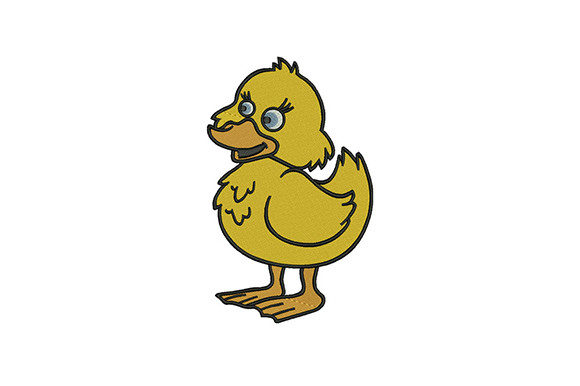
As an experienced embroidery designer preparing for a busy weekend at the local craft fair, I am constantly evaluating which machine embroidery design files will stop customers in their tracks. Today, I am reviewing the Yellow Duck Bird. This adorable yellow duck bird embroidery is so jolly and versatile. It will stitch out perfectly on bathroom decorations, towels, children's clothes, farm decor, and so much more. When setting up a booth, visual appeal is everything, and this design immediately brings a sense of warmth and whimsy to the table.
First Impressions and Market Appeal
The first thing you notice about the Yellow Duck Bird is its inherent cheerfulness. In a sea of rustic farmhouse signs and minimalist line art, a bright, jolly duck stands out as a focal point of fun. It feels soft, decorative, and undeniably cute without being overly childish. For an Etsy seller or a boutique maker, this versatility is gold. It bridges the gap between nursery decor and quirky kitchen accessories. The color palette suggests high contrast, which is crucial for a craft fair product where buyers often scan tables from a distance. If the yellow pops against the background fabric, it acts as a beacon for customer attention.
Ideal Products for Maximum Impact
When imagining my display table, I can see exactly where this digital embroidery file shines. Here is how I would deploy it across various handmade products:
- Tote Bags and Market Bags: A large-scale version of the duck on a natural canvas tote creates an instant best-seller. It serves as a perfect tote bag design for grocery runs or beach days.
- Kitchen Linens: This is arguably the strongest category. As a tea towel embroidery or on a waffle-weave hand towel, the duck adds character to a utilitarian item. It fits seamlessly into "farm decor" themes that are currently trending.
- Children's Apparel: Placed on the chest pocket of a denim jacket or the hem of a dress, it becomes a cherished detail for kids' clothes.
- Embroidered Patches: Stitching this onto a twill base to create an embroidered patch allows customers to buy a small, affordable add-on to customize their own gear.
- Pillow Covers: Centered on a linen pillow cover, it transforms a plain home good into a statement piece.
Production Practicality and Batch Selling
For those of us running a small shop product line, repeatability is key. The Yellow Duck Bird appears to have clean lines that suggest it is suitable for batch production. Unlike designs with excessive micro-details that require constant thread trimming, a jolly bird motif usually relies on solid fill areas and defined running stitches. This makes it easier to hoop multiple items at once, provided you have the right setup.
Photography is another critical factor. For online listings, this design photographs beautifully because the subject matter is universally recognizable. You do not need to explain what it is; the buyer gets it instantly. Creating a printable mockup for your website should be straightforward, as the shape is distinct even in thumbnail views. This clarity translates directly to higher conversion rates for commercial embroidery businesses.
Critical Considerations for Execution
While the design is promising, a professional review must address potential pitfalls. Before committing to a full production run, consider these technical aspects:
- Fabric Texture: The description mentions towels. Terry cloth and waffle weaves have loops that can swallow small details. Ensure the stitch density is high enough to cover the texture without sinking in.
- Thread Colors: Verify that the yellow thread has enough contrast against your chosen fabric. On dark fabric, you may need an underlay or a white outline to prevent the duck from getting lost.
- Curved Surfaces: If applying this to caps, remember that the front panel is curved. Designs that are too wide or have dense fill areas can pucker on hats. Test this specifically on cap blanks.
- Size Clarity: If shrinking this design for a small pouch or sock, ensure the beak and eyes do not merge into a blob. Some designs lose clarity at smaller sizes.
Enhancing Brand Consistency and Value
Incorporating the Yellow Duck Bird into your inventory can significantly boost your brand's perceived value. It signals that your shop offers fun, high-quality finished products rather than generic goods. When a customer sees consistent use of such charming motifs across your aprons, towels, and bags, it builds trust. It shows you curate your design assets with care. Furthermore, because the theme is "Birds," it allows you to create a cohesive collection. You can group this item with other nature-inspired pieces, creating a dedicated "Farm & Flight" section in your booth or online store.
Designer Notes for Success
To ensure the Yellow Duck Bird performs as expected in a real-world scenario, follow these practical steps before selling:
- Test on Scrap: Always stitch a sample on the exact fabric you intend to sell. What looks good on cotton might behave differently on linen.
- Check Stabilizer: Use the appropriate stabilizer for the weight of your material. Towels often require a water-soluble topping to keep stitches clean.
- Review Hoop Size: Confirm the required hoop size matches your machine's capabilities, especially if you plan to do all-over prints or large back-panel designs.
- Inspect Density: Look closely at the stitch count in dense areas. If it feels too stiff, consider editing the file to reduce density for better drape on clothing.
- Verify Licensing: Most importantly, confirm the commercial licensing terms of the embroidery file. Ensure you are authorized to sell finished physical goods made with this design.
The description notes that this machine embroidery project is versatile, but it does not specify exact stitch counts or file formats. Therefore, it is vital to check those details in the download package before production begins. By taking these precautions, the Yellow Duck Bird can become a staple in your lineup, driving sales through its undeniable charm and practical application across a wide range of handmade goods.