Brown Mushroom Plant: A Review for Branded Merch
As an embroidery designer who has spent years translating digital concepts into tangible brand identity assets, I approach every new machine embroidery design with a critical eye. It is not enough for a file to look cute on a screen; it must perform under the needle, withstand industrial washing, and communicate a specific vibe to the customer. Today, I am reviewing the Brown Mushroom Plant, a design that initially caught my attention for its potential in the Food and lifestyle sectors. This review focuses on how this specific digital embroidery file functions as a tool for small business owners, from boutique bakeries to artisanal florists looking to elevate their small business merch.
First Impressions: Rustic Charm Meets Professional Polish
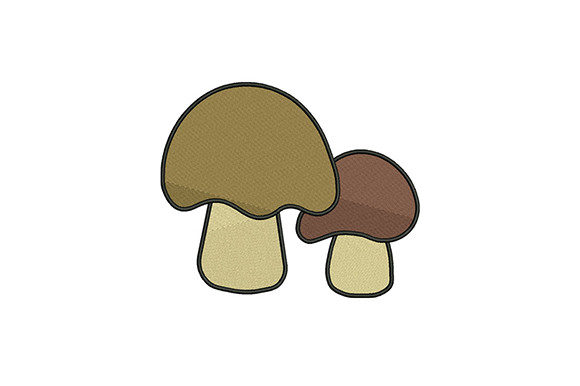
Upon loading the Brown Mushroom Plant into my digitizing software, the immediate impression is one of approachable warmth. The description promises a "simple and cute" aesthetic, and visually, it delivers. However, for commercial application, "cute" can sometimes translate to "juvenile." In this case, the earthy brown tones and organic shapes suggest a rustic, handmade quality that feels premium rather than childish. It strikes a balance between playful and elegant, making it highly suitable for brands that want to appear friendly yet established.
The design feels inherently connected to nature and growth, which is why it is categorized under Food. For a bakery, a farm-to-table café, or an organic grocery store, this motif speaks the language of fresh ingredients and natural processes. It avoids the overly complex details that often plague embroidery files intended for beginners, offering clean lines that suggest a professional finish when stitched out correctly.
Real-World Applications for Small Business Merch
The true test of any design asset is its versatility across different products. The Brown Mushroom Plant shines in several key areas of commercial embroidery:
- Staff Uniforms and Aprons: For a local café or bistro, apron embroidery is a subtle but powerful branding tool. Placing this mushroom design on the chest pocket or the lower corner of a canvas apron adds a touch of personality without overwhelming the uniform. It signals to customers that the staff takes pride in their craft.
- Embroidered Patches: This is perhaps the strongest use case. The distinct outline of the mushroom makes it an ideal candidate for an embroided patch. Businesses can sew these onto tote bags, denim jackets, or even packaging accents. Patches allow for mobility; a customer can buy a plain item and add the branded patch later, extending the life of the merchandise.
- Tote Bags and Caps: As a tote bag design, the earthy colors contrast beautifully against natural cotton or canvas. For cap embroidery, the compact nature of the mushroom allows it to fit on the front panel without distortion, provided the curve of the cap is accounted for during hooping.
- Customer Gifts: The description mentions gifts for foodie friends. For a business, this translates to loyalty rewards. A high-quality embroidered tea towel or oven mitt featuring the Brown Mushroom Plant serves as a memorable thank-you gift that keeps the brand visible in the customer's home.
Technical Considerations and Production Challenges
While the aesthetic is strong, a professional reviewer must address the technical realities of production. Not every surface is created equal, and the Brown Mushroom Plant requires careful handling in specific scenarios.
Stitch Density and Fabric Texture: Because the design aims for a "simple" look, one must verify the stitch density. If the density is too low, the fabric texture may show through, ruining the solid appearance of the mushroom cap. Conversely, if the density is too high on a stretchy fabric like a polo shirt, the design may pucker. Always test on the actual fabric texture you intend to use. For dark uniforms, ensure the thread colors have sufficient contrast; a dark brown on a black shirt will vanish.
Small Scale Limitations: If you plan to use this as a tiny sleeve detail or on a narrow hat band, examine the smallest elements closely. Fine details can get lost or merge together when scaled down. It is crucial to check if the design holds its integrity at smaller sizes before committing to a large production run.
Wash Durability: Items like aprons and tote bags undergo frequent washing. Ensure that the satin stitches or fill patterns used in the mushroom design are secured with proper underlay. Without a robust foundation, the edges may fray after multiple cycles, diminishing the perceived value of the finished product.
Impact on Brand Identity and Customer Trust
In the current market, consumers crave authenticity. A generic printed logo often feels disposable, whereas custom apparel with high-quality embroidery suggests longevity and care. Integrating the Brown Mushroom Plant into your visual strategy can significantly boost brand identity. It tells a story of organic quality and artisanal effort.
When a customer sees consistent branding across an apron, a tote bag, and a patch, it builds recognition and trust. It signals that the business pays attention to details. For Etsy sellers and handmade brands, this level of presentation justifies a higher price point. The tactile nature of embroidery adds a layer of luxury that flat printing cannot achieve, directly influencing buyer engagement and perceived product value.
Essential Designer Notes for Production
Before running this design on your commercial machine, adhere to the following checklist to ensure professional results:
- Test in Black and White: Before selecting your thread colors, stitch the design out in a single color to check for spacing issues and clarity of form.
- Verify Hoop Size: Confirm the required hoop size matches your machine's capabilities, especially if you are working with smaller frames for caps or pockets.
- Stabilizer Selection: Choose the correct stabilizer for your specific fabric. Cut-away stabilizer is often best for items that will be washed frequently, while tear-away may suffice for decorative pieces.
- Create a Printable Mockup: Generate a printable mockup to show clients or visualize the placement on different garments before stitching.
- Check Licensing: Since this is for business use, strictly confirm the commercial licensing terms included with the embroidery file. Do not assume a standard download includes rights for mass production.
- Compare Assets: Place the stitched sample beside your other design assets to ensure visual consistency in style and thread sheen.
The product description notes that the file comes with specific inclusions, but it does not list exact stitch counts or format types. It is vital to check these details immediately upon download to ensure compatibility with your equipment. By treating the Brown Mushroom Plant not just as a decoration but as a strategic business tool, you can transform simple kitchen decor concepts into powerful branding statements that resonate with your audience.