Pink and Red Porcupine: A Designer's Review
As a designer who spends more time staring at stitch maps than most people spend looking at actual forests, I approach every new machine embroidery design with a mix of curiosity and skepticism. We've all been there: you download a file that looks adorable on the screen, only to find it turns into a puckered mess or a thread-breaking nightmare once it hits the fabric. That is why I took a close look at the Pink and Red Porcupine before committing it to any client work or personal projects. This isn't just about whether a design is cute; it is about whether it holds up under the needle and adds genuine value to a handmade product.
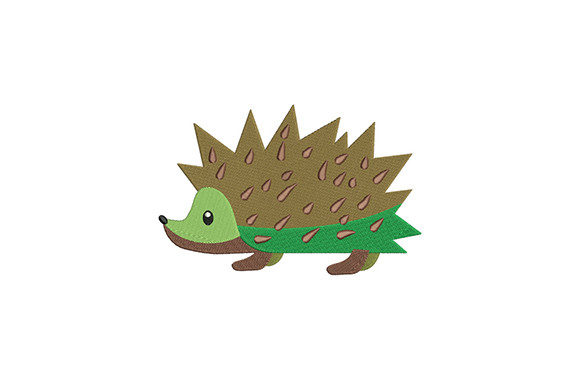
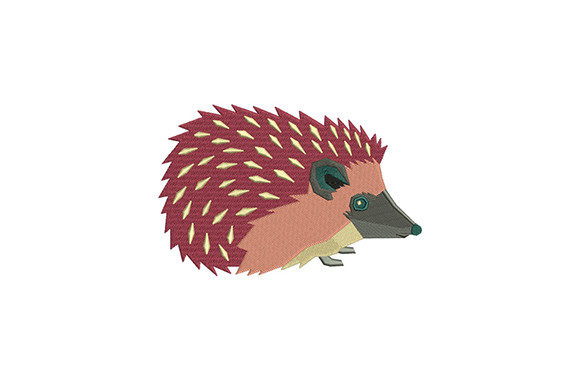
My first impression of the Pink and Red Porcupine was immediate warmth. In the world of Woodland Animals, we often see earth tones—browns, greens, and grays. Seeing this creature rendered in vibrant pinks and reds creates a playful, modern twist that feels fresh rather than traditional. The color palette suggests a design that belongs on spring collections, baby showers, or boutique items targeting a younger, trendier demographic. Visually, the layout feels balanced. The quills, which can often be a tricky element in embroidery due to their sharp, radiating nature, appear to be handled with a thoughtful mix of satin stitch outlines and textured fill stitch areas. This combination usually provides enough definition to keep the character recognizable without creating a dense block of thread that ruins the drape of the fabric.
Real-World Application: The Tote Bag Test
To truly evaluate this digital embroidery file, I imagined a specific real-life scenario that many of us face regularly: a custom order for a local farmer's market tote bag. The client wanted something whimsical but durable. The Pink and Red Porcupine seemed like a perfect candidate here. On a canvas tote, the slightly higher stitch density required to render those colorful quills would actually work in our favor, adding a nice tactile weight to the design without causing excessive pull on the woven fabric.
When visualizing the finished product, I can see how this design would stop a browser in their tracks on an Etsy seller's shop page. The contrast between the bright reds and pinks against a natural beige or heavy cotton background offers excellent visibility. For a small shop product, distinctiveness is key, and this porcupine certainly has personality. It moves away from the generic "forest friend" trope and steps into something that feels like a branded character. If I were creating a line of custom apparel or kitchen towels, this design has the visual pop necessary to build brand recognition.
Performance on Different Fabrics and Hoops
However, a good designer knows that context is everything. While the Pink and Red Porcupine shines on sturdy materials like denim, canvas, or twill, I would proceed with caution on stretchy knits or very thin fabrics. The detail level in the quills suggests that a high-quality stabilizer is non-negotiable. If you are attempting this as sweatshirt embroidery or on a baby onesie, the risk of the fabric pulling into the stitches is real if the stabilization isn't robust. I always recommend testing on scrap fabric first, specifically matching the weight and stretch of your final material.
Another critical factor is the hoop size. Without specific dimensions listed in the product description, it is vital to check the file details before purchasing. If this design is intended for a small hoop, the intricate details of the porcupine's face and quills might become lost or require extremely fine threads that break easily. Conversely, if it is a larger design, it might not fit on a cap or a pocket without resizing, which can distort the running stitch details and ruin the proportions. For curved surfaces like hats, the density of the fill areas needs to be monitored closely to prevent the design from sitting too high or causing the cap to warp.
Commercial Viability and Customer Trust
For those of us running a craft business, the reliability of our design assets directly impacts customer trust. A design that looks great in a printable mockup but stitches out poorly leads to returns and bad reviews. The Pink and Red Porcupine appears to have the clarity needed for commercial use. The separation of colors seems logical, which means fewer thread changes and a smoother production run. This efficiency is crucial when fulfilling bulk orders for holiday embroidery gifts or wedding favors.
Furthermore, the uniqueness of the color scheme adds value. Customers are willing to pay a premium for items that feel exclusive. Using this porcupine on a personalized gift, such as a nursery pillow or a child's backpack, elevates the item from a simple craft to a bespoke treasure. The emotional connection people have with woodland creatures, especially when presented in such a cheerful palette, drives engagement. It tells a story of nature meeting whimsy, which is a powerful narrative for marketing.
Practical Notes for the Studio
Before you commit to stitching the Pink and Red Porcupine on a final project, here are a few professional recommendations based on my experience with similar files:
- Check the License: Always confirm the licensing terms. Can you sell finished items? Is it limited to personal use? This is critical for commercial embroidery projects.
- Thread Contrast: While the pink and red theme is charming, ensure your thread brands match the digital preview. Some reds can look orange under certain lighting, so test your specific thread chart.
- Density Check: Look at the stitch count relative to the size. If the quill area is too dense, consider editing the file to reduce saturation, especially for baby embroidery where softness is paramount.
- Mockup Testing: Create black and white mockups to ensure the design holds its shape without relying solely on color contrast. This helps verify that the applique design elements or fill boundaries are distinct.
- Fabric Texture: Remember that looped towels or fuzzy fleece will absorb some of the finer details. This design might work best on smoother fabrics where the satin stitch edges can pop.
In conclusion, the Pink and Red Porcupine is a promising addition to any embroidery project library. It bridges the gap between cute and contemporary, offering a versatile option for everything from tote bag designs to boutique apparel. Like any tool in our creative arsenal, its success depends on how we apply it. With the right fabric, proper stabilization, and a keen eye for detail, this design has the potential to become a staple in your portfolio, delighting customers and enhancing the perceived value of your handmade creations. Just remember to respect the technical requirements of the file, and let the charm of this little creature do the rest.