Regular Bear: A Designer's Review for Boutique Sweatshirts
As an embroidery designer who spends more time staring at stitch maps than actual scenery, I am always on the hunt for designs that bridge the gap between cute and commercial. When I first pulled up the Regular Bear machine embroidery design, my initial reaction was one of cautious optimism. In the saturated market of Woodland Animals, it is easy to find generic clipart converted into stitches, but finding a design with genuine personality that holds up on heavy apparel is a different challenge entirely. I decided to put this file through its paces, imagining it as the centerpiece for a limited-run sweatshirt drop for a small online shop.
First Impressions: Mood and Stitch Personality
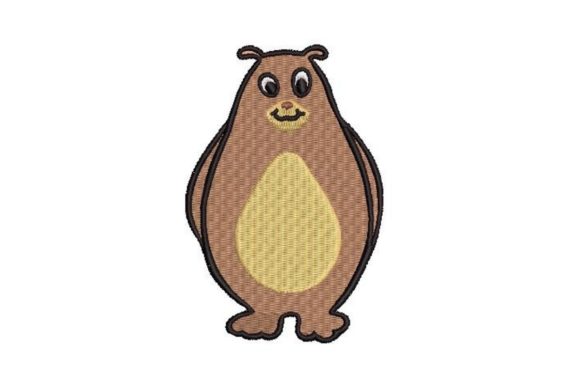
The moment you load the digital embroidery file, the charm of Regular Bear becomes apparent. The description promises an "adorable bear design," and the stitch layout delivers on that front without feeling overly juvenile. For a boutique brand aiming for a cozy, lifestyle aesthetic, the mood here is perfect. It strikes a balance between playful and rustic, making it versatile enough for a baby's nursery decor or a trendy oversized hoodie.
The layout appears clean, with a focus on shape rather than excessive detail. This is crucial for sweatshirt embroidery. Designs that are too intricate often get lost in the nap of fleece or French terry fabrics. Regular Bear seems to rely on solid fill areas and well-defined running stitches, which suggests a strong visual impact even from a distance. The "stitching personality" feels soft yet durable, hinting at a finished product that invites touch—a key factor for apparel that relies on comfort.
Visualizing the Finished Product on Apparel
When planning a collection, context is everything. I immediately started visualizing how Regular Bear would translate across different garment types and colors. For a neutral sweatshirt in oatmeal or heather grey, this design would pop beautifully, offering a subtle nod to nature without screaming for attention. On dark fabric, such as navy or charcoal, the right choice of thread colors could make the bear look bold and graphic, turning a simple hoodie into a statement piece.
I also considered pastel colors, which align perfectly with the "baby's clothes" aspect of the description. A soft pink or mint green sweatshirt featuring this bear would be an instant bestseller for spring collections. The design feels inherently feminine yet gender-neutral enough for broader appeal. For oversized hoodies, placing Regular Bear on the left chest creates a classic, branded look, while scaling it up for a back design could serve as a striking focal point for seasonal apparel launches.
Placement Strategies for Maximum Impact
Versatility is the hallmark of a good embroidery file. Here is how I would deploy Regular Bear across a product line:
- Hoodie Chest Placement: Ideal for branding. It acts as a subtle logo replacement, adding value to a basic blank.
- Sleeve Accents: A smaller version could work near the cuff, adding a unique detail that customers love in custom apparel.
- Back Designs: Centered on the upper back, it creates a cohesive look when paired with text or other design assets.
- Boutique Merchandise: Beyond clothing, this fits perfectly on tote bags or beanies, expanding the range of a small shop product line.
Technical Considerations for Commercial Use
Moving from aesthetics to mechanics, any serious Etsy seller or apparel decorator needs to address the technical realities of production. While the description notes that the design comes with "multiple embroidery file formats," it does not specify exact stitch counts or hoop requirements. This is a critical reminder to check those details before committing to a large run. You need to ensure the hoop size matches your machine's capabilities and that the stitch count is appropriate for the garment weight.
Stitch density is another major concern. Sweatshirts have a distinct fabric texture that can swallow low-density stitching. If Regular Bear is too sparse, the fabric will show through, ruining the premium feel. Conversely, if it is too dense, it may cause puckering, especially on stretchy cuffs or collars. My recommendation is to test on a scrap piece of your actual blank with the intended stabilizer. For fleece, a cut-away stabilizer is usually non-negotiable to maintain the shape of the bear after repeated washes.
Washing durability is the ultimate test of commercial embroidery. A design intended for a boutique brand must survive the laundry cycle without losing its definition. The robust nature of the bear's outline suggests it should hold up well, but thread tension adjustments might be necessary depending on whether you are using rayon or polyester threads. Additionally, consider small-size readability. If you plan to use this on infant onesies, ensure the fine details do not merge into a blob when scaled down.
Elevating Brand Identity and Value
In the world of handmade goods, perception is reality. Using a high-quality design like Regular Bear directly affects product value and buyer trust. When a customer sees crisp, clean stitching on a finished product, they perceive the entire item as higher quality. This design has the potential to become a recognizable symbol for your brand, aiding in visual recognition and customer engagement.
For printable mockup creation and Etsy listings, the clarity of this design is a huge asset. It photographs well, allowing you to create compelling lifestyle images that sell the dream of coziness. A strong handmade product presentation can justify a higher price point, turning a standard sweatshirt into a coveted item. By choosing a design that feels both professional and charming, you signal to your audience that you care about the details.
Final Verdict for Designers
Regular Bear stands out as a flexible and appealing option for anyone looking to expand their Woodland Animals collection within the Embroidery niche. It offers the right blend of cuteness and structural integrity needed for modern apparel. However, success lies in the execution. Always verify the specific technical specs included in your download, test your tension and stabilizer combinations, and think strategically about placement. If handled with care, this design can be the star of your next successful drop, helping you build a loyal following and a distinct brand identity in the crowded marketplace of custom fashion.